
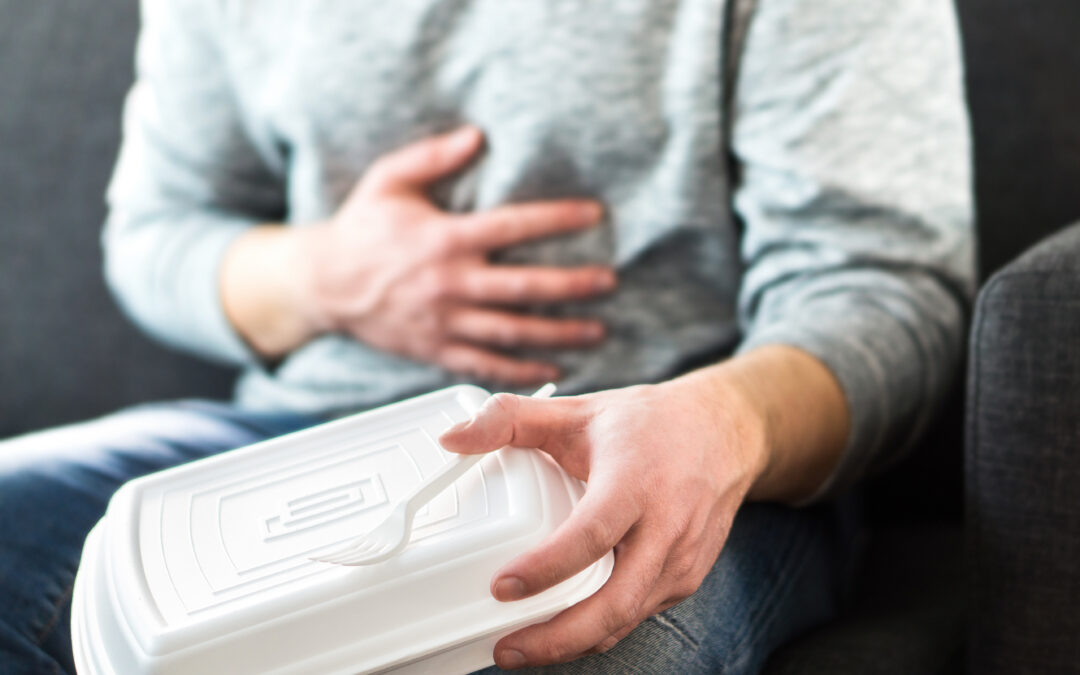
Whether you’re grabbing takeout after a busy day, preparing dinner at home or enjoying a meal with friends, food is a big part of everyday life in Southwest Charlotte. Most of the time, the only thing you have to worry about is what to eat next. But when food isn’t handled, stored or cooked properly, it can sometimes lead to food poisoning. Foodborne illness can affect anyone, and symptoms may range from mild stomach discomfort to more serious digestive issues. Knowing what causes food poisoning, how to recognize the warning signs and how to prevent it can help you protect yourself and your family.
What Causes Food Poisoning?
Food poisoning happens when you eat or drink something contaminated with harmful bacteria, viruses, parasites or toxins. Contamination can happen at several points, including during food production, preparation, storage or handling. Some common causes include:
- Undercooked food: Meat, poultry, seafood and eggs that haven’t reached a safe internal temperature may contain harmful germs.
- Improper food storage: Leaving perishable foods at room temperature for too long can allow bacteria to multiply.
- Cross-contamination: Raw meat juices can spread bacteria to ready-to-eat foods, cutting boards, utensils and countertops.
- Unwashed produce: Fruits and vegetables can carry germs if they aren’t properly washed.
- Contaminated water: Drinking or using water that contains harmful microorganisms can also cause foodborne illness.
Common sources of food poisoning include bacteria such as Salmonella, E. coli and Campylobacter, as well as viruses such as norovirus.
What Are the Most Common Symptoms of Food Poisoning?
Food poisoning doesn’t always cause symptoms immediately. Depending on the germ or toxin involved, symptoms may begin within a few hours or take several days to appear. Common symptoms include:
- Nausea and vomiting
- Diarrhea
- Stomach cramps or abdominal pain
- Fever
- Headache
- General weakness or fatigue
Some cases are relatively mild and improve within a few days. However, frequent vomiting or diarrhea can cause dehydration, which may become a concern if your body loses more fluids than it can replace. Watch for signs of dehydration, including a dry mouth, dizziness, dark urine, reduced urination and unusual thirst.
How Can You Prevent Food Poisoning at Home?
The good news is that many cases of food poisoning can be prevented with a few simple food-safety habits. Whether you’re preparing a quick weeknight dinner or cooking for a group, these steps can help reduce your risk.
- Wash Your Hands and Surfaces
Always wash your hands with soap and water before preparing food, after handling raw meat and after using the restroom. Clean countertops, cutting boards and utensils regularly, especially when switching between raw and ready-to-eat ingredients.
- Keep Raw and Cooked Foods Separate
Avoid using the same cutting board or utensils for raw meat and fresh produce unless they’ve been thoroughly washed between uses. Store raw meat in sealed containers on the lowest refrigerator shelf to prevent juices from dripping onto other foods.
- Cook Food to the Proper Temperature
Don’t rely on appearance alone to determine whether meat is fully cooked. Use a food thermometer to check internal temperatures. For example:
- Poultry: 165°F
- Ground meats: 160°F
- Whole cuts of beef, pork, lamb and veal: 145°F, followed by a three-minute rest
- Fish: 145°F
- Refrigerate Leftovers Promptly
Perishable foods shouldn’t sit at room temperature for more than two hours, or one hour when temperatures are above 90°F. Refrigerate leftovers promptly and use shallow containers to help them cool more quickly.
- Wash Fresh Fruits and Vegetables
Rinse produce under running water before eating, cutting or cooking it. Avoid using soap or household cleaners on fruits and vegetables.
When Should You Seek Medical Care for Food Poisoning?
Many people recover from food poisoning without needing medical treatment. However, certain symptoms shouldn’t be ignored. Consider seeking medical care from AFC Southwest Charlotte if you experience:
- Diarrhea lasting longer than three days
- Frequent vomiting that prevents you from keeping liquids down
- A high fever, particularly above 102°F
- Bloody diarrhea
- Severe or worsening abdominal pain
- Signs of dehydration, such as dizziness, very little urination or a dry mouth
Young children, older adults, pregnant people and individuals with weakened immune systems may be more vulnerable to complications from foodborne illness. These groups should seek medical guidance sooner if symptoms develop. If you experience severe dehydration, confusion, fainting or other signs of a medical emergency, seek emergency care.
How Can AFC Southwest Charlotte Help?
If stomach symptoms are interfering with your day or you’re concerned about possible food poisoning, AFC Southwest Charlotte can evaluate many non-emergency illnesses and help determine the next steps. During your visit, a health care professional can review your symptoms, assess for signs of dehydration and determine whether additional testing or treatment may be appropriate. Depending on your condition, you may receive guidance on managing symptoms and when further medical evaluation is needed. Food poisoning isn’t always preventable, but knowing how to handle food safely and recognize concerning symptoms can make a difference. If you’re not feeling better or something doesn’t seem right, don’t hesitate to seek medical guidance.
Recent Comments