
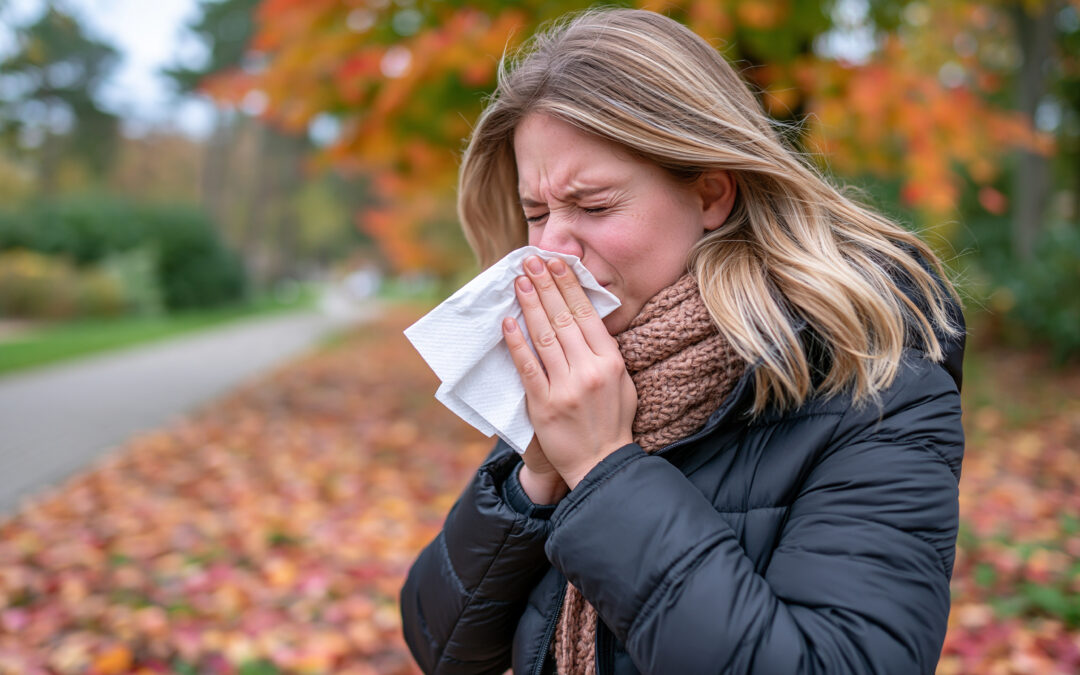
Fall in Southwest Charlotte brings cooler mornings, football season, and a welcome break from the summer heat. But for many people, it also brings another seasonal tradition: ragweed pollen. If you’re suddenly dealing with nonstop sneezing, itchy eyes, congestion, or sinus pressure, you may be dealing with more than just a passing sniffle.
Ragweed is one of the most common causes of fall seasonal allergies, and symptoms can become intense enough to interfere with sleep, work, school, and everyday activities. When over-the-counter remedies aren’t cutting it, AFC Southwest Charlotte can provide another option for getting your symptoms under control.
What Do Ragweed Allergies Feel Like?
Ragweed pollen can trigger an immune response that causes inflammation throughout your nasal passages and sinuses. Common symptoms include:
- Frequent sneezing
- Runny or stuffy nose
- Itchy nose, throat, or eyes
- Watery or red eyes
- Post-nasal drip
- Sinus pressure
- Coughing
- Fatigue or difficulty sleeping
One important clue is itchiness. Itchy eyes, nose, or throat are especially common with allergies and are less typical of a respiratory infection. Unlike a cold or flu, seasonal allergies generally don’t cause a fever.
Why Can Fall Allergies Feel So Severe?
Allergy symptoms can vary from year to year. During periods of high pollen exposure, you may experience symptoms that feel much stronger than your typical seasonal allergies.
Symptoms can also become more disruptive when congestion makes it difficult to sleep or when constant post-nasal drip causes an irritating cough. For people with asthma or other respiratory conditions, allergy season may also contribute to increased breathing symptoms.
When Should You Consider Urgent Care?
You don’t necessarily need medical care for every bout of sneezing, but severe or persistent symptoms may be worth evaluating. An evaluation can also help determine whether your symptoms are actually allergies or another condition, such as a sinus infection or respiratory illness. Consider visiting AFC Southwest Charlotte if you’re experiencing:
- Severe congestion that isn’t improving
- Significant sinus pressure or facial discomfort
- Persistent coughing
- Difficulty sleeping because of allergy symptoms
- Symptoms that interfere with work, school, or daily activities
- Allergy symptoms that aren’t responding to your usual medications
- Breathing difficulties or wheezing
Could It Be a Sinus Infection Instead?
Fall allergies and sinus infections can sometimes feel remarkably similar. One clue is how your symptoms progress. Allergies often cause clear drainage, sneezing, and itching and may fluctuate depending on your exposure to pollen. A sinus infection may cause thicker drainage, facial pain or pressure, fever, or symptoms that persist or worsen over time. If you’re unsure what’s causing your symptoms, getting evaluated can help you avoid treating the wrong condition.
Tips for Managing Ragweed Allergies
Small changes can make a noticeable difference when ragweed season is at its peak. You can’t completely avoid pollen, but a few simple habits can reduce your exposure:
- Check pollen levels before spending extended time outdoors.
- Keep windows closed when pollen counts are high.
- Shower and change clothes after spending time outside.
- Wash bedding regularly.
- Use air conditioning when possible.
- Take allergy medications as directed.
- Avoid mowing or spending extended periods in areas with high weed growth when pollen counts are elevated.
When Allergy Symptoms Become an Emergency
Most seasonal allergies aren’t emergencies, but severe allergic reactions are different. Seek emergency medical attention if you experience sudden swelling of the lips, tongue, or throat, difficulty breathing, trouble swallowing, severe dizziness, or loss of consciousness. These symptoms can indicate a serious allergic reaction and require immediate care.
How AFC Southwest Charlotte Can Help
If fall allergies are making it difficult to get through your normal routine, AFC Southwest Charlotte can help evaluate your symptoms and determine the appropriate next steps. Our AFC providers can assess allergy-related symptoms, evaluate possible infections or other respiratory conditions, and recommend treatment based on what’s causing your discomfort.
Ragweed season may be part of fall in Charlotte, but that doesn’t mean you have to spend the season feeling miserable. Knowing your triggers, managing exposure, and getting medical care when symptoms become difficult to control can help you breathe easier and get back to enjoying the season.
Recent Comments